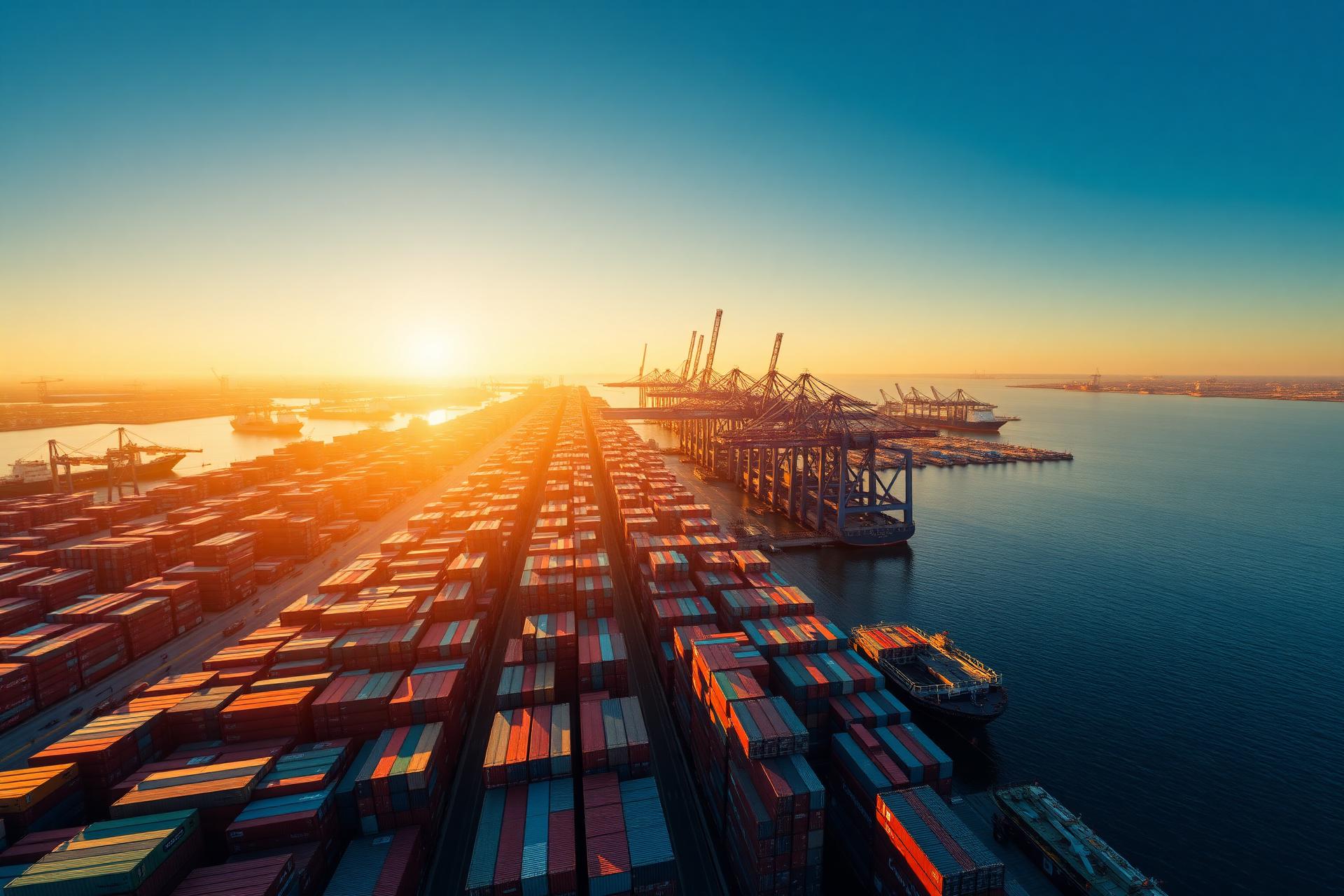
Choosing between air and sea freight is one of the most consequential logistics decisions you will make. It shapes your landed cost, your delivery promise and your cash cycle. The right answer depends on your product, your margins and your customers — not on a single rule.
Speed vs cost
Air freight moves goods in days; sea freight takes weeks. Air costs far more per kilogram but unlocks fast restocking and premium delivery promises. Sea freight is dramatically cheaper at volume and is the backbone of most physical-product businesses.
| Factor | Air | Sea |
|---|---|---|
| Transit time | 1–7 days | 20–45 days |
| Cost per kg | High | Low |
| Best for | Light, urgent, high-value | Heavy, bulky, planned volume |
Match the mode to the product
High-value, low-weight or time-sensitive items usually justify air. Heavy or low-margin goods almost always go by sea. Many mature exporters run a hybrid: sea for the planned base stock, air for urgent top-ups.
Do not optimise for freight cost alone — optimise for landed cost and the delivery promise your customer actually pays for.
Reliability and risk
Air schedules are more predictable; sea is exposed to port congestion and weather. Build buffer time into sea timelines and insure shipments appropriately regardless of mode.
Work with Ambiance Export
Ambiance Export manages sourcing, marketplace operations, customs and worldwide logistics end to end — so you can focus on growth. Request a consultation and our team will reply within one business day with a tailored plan.